Modern Slavery Statement for Landscaping Woolwich
 Landscaping Woolwich is committed to conducting business ethically, responsibly, and in full respect of human rights. This Modern Slavery Statement sets out the steps we take to identify, prevent, and address the risk of modern slavery and human trafficking within our operations and supply chains. As a landscaping provider, we recognise that our work may involve labour, materials, transport, and subcontracted services, all of which require careful oversight.
We maintain a zero-tolerance policy toward modern slavery in every form, including forced labour, bonded labour, servitude, child labour, and human trafficking. This commitment applies to all employees, contractors, agency workers, and suppliers associated with Landscaping Woolwich. We expect the same ethical standards from those who support our services and share our responsibility to protect vulnerable individuals.
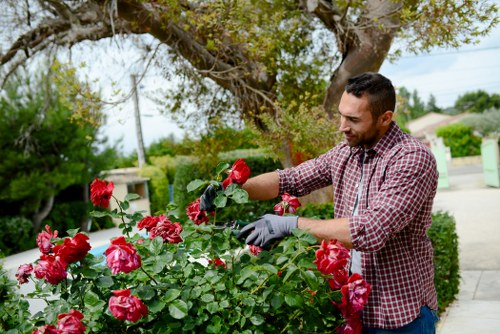 Our approach begins with risk awareness and due diligence. We assess supplier relationships, look for warning signs, and take proportionate action where concerns arise. In particular, we recognise that landscaping and grounds maintenance can involve seasonal labour, outsourced services, and materials sourced through complex supply chains. For this reason, Woolwich landscaping services must be delivered only by partners who can demonstrate lawful, fair, and transparent employment practices.
To strengthen our standards, we carry out supplier audits and reviews on a periodic basis. These audits may include checks on labour practices, working hours, wages, identity verification, subcontracting arrangements, and documentation relating to worker welfare. Where necessary, we request evidence of compliance and may suspend or terminate relationships if a supplier fails to meet our requirements. We also encourage suppliers to adopt their own modern slavery controls and to cascade expectations through their supply networks.
Governance and Responsibility
The leadership team at Landscaping Woolwich is responsible for overseeing this statement and ensuring it remains embedded in our operating culture. Managers are expected to understand the risks associated with procurement, staffing, and subcontracted work. Training and internal guidance are used to help staff recognise indicators of exploitation, such as restricted movement, withheld documents, unsafe accommodation, or excessive control over workers. These measures support a safer and more accountable working environment.
 We encourage all personnel to remain alert and to challenge practices that do not align with our values. If a concern is identified, it is treated seriously and escalated promptly. We believe that effective prevention depends on consistent vigilance, clear expectations, and a willingness to act when risks appear. By applying these standards, Landscaping Woolwich reinforces its commitment to ethical service delivery and fair treatment across all activities.
Reporting Channels and Safeguarding
We provide clear reporting channels so that concerns about modern slavery can be raised safely and without fear of retaliation. Reports may be made through internal management routes, and all disclosures are handled confidentially wherever possible. Individuals who raise concerns in good faith are protected from victimisation. Once a report is received, it is investigated carefully, and corrective action is taken where appropriate. This process helps us respond quickly to potential harm and maintain trust in our standards.
Review and Continuous Improvement
Our modern slavery controls are reviewed annually to confirm they remain effective and relevant. The annual review considers changes in legislation, supply chain risks, audit outcomes, staff awareness, and any reported incidents. Where improvements are needed, we update our procedures, strengthen supplier expectations, and refresh internal training. This regular review ensures our policy evolves alongside the business and continues to support ethical working practices.
 We also monitor the wider market for changes that may increase vulnerability in the sectors we rely on. This includes reviewing recruitment practices, transport arrangements, and any third-party labour provision used in landscaping projects. By examining these areas on a yearly basis, we can improve prevention measures and reduce the possibility of exploitation entering our operations. Our commitment is not static; it is active, ongoing, and embedded in our business decisions.
 In summary, Landscaping Woolwich is dedicated to operating with integrity and ensuring modern slavery has no place in our organisation or supply chain. Through zero tolerance, supplier audits, reporting channels, and annual review, we aim to uphold human dignity and responsible business conduct. We will continue to strengthen our approach and maintain the highest standards in every aspect of our work.