Landscaping Woolwich: Creating Beautiful, Practical Outdoor Spaces
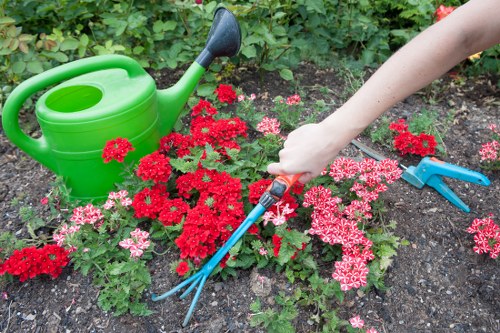 Landscaping Woolwich is about more than making a garden look attractive. It is the careful balance of design, plant choice, structure, and long-term maintenance that turns outdoor space into something useful, welcoming, and visually appealing. In an area like Woolwich, where homes, terraces, new developments, and established properties each bring different outdoor challenges, the right approach to landscaping Woolwich can transform even a modest garden into a highly enjoyable part of daily life. Whether the goal is a peaceful retreat, a family-friendly space, or a front garden that adds instant curb appeal, thoughtful outdoor design can make a lasting difference.
Good landscaping is not only about appearance. It also improves how a space functions through the seasons. A well-planned garden can provide privacy, manage drainage, support biodiversity, reduce maintenance demands, and create defined zones for relaxation, dining, and play. For many property owners, Woolwich landscaping is an investment in comfort as well as value. When shapes, materials, and planting are chosen with care, the result feels natural and easy to live with rather than overly formal or difficult to maintain.
Woolwich has its own character, and that should always be reflected in outdoor design. Some spaces benefit from clean, modern lines, while others look better with softer planting, traditional features, or a blend of both. The best landscaping in Woolwich does not force one style onto every plot. Instead, it responds to the property, the lifestyle of the people who use it, and the local environment. That is what makes a garden feel like part of the home rather than just an outdoor afterthought.
One of the most important parts of landscape design in Woolwich is understanding the space itself. Sunlight, shade, soil type, drainage, and boundary layout all influence the best design choices. A narrow garden may need vertical interest and clever zoning to avoid feeling cramped, while a larger plot may need structure to prevent it from feeling empty or disconnected. A professional-style approach to landscaping Woolwich looks carefully at these conditions before any materials are selected or planting plans are developed.
Surface materials are a major part of the overall look and feel. Patios, pathways, edging, gravel, stepping stones, decking, and lawn areas each contribute differently to the atmosphere of a garden. In many Woolwich gardens, a combination of textures works best. For example, a smooth paved dining area can be softened with planting beds, while timber or composite features can add warmth to a modern layout. The best Woolwich landscaping design choices tend to be those that support both aesthetics and everyday use.
Planting is where an outdoor space gains personality. Trees, shrubs, perennials, climbers, and ornamental grasses can create depth, colour, movement, and seasonal change. A successful landscaping Woolwich scheme often includes a thoughtful mix of evergreen structure and seasonal interest. That means the garden continues to feel alive throughout the year rather than only at one time in summer. Plants can also be used to screen views, soften fences, frame focal points, and guide movement through the space.
Many property owners want a garden that looks attractive without needing constant attention. This is where smart design makes a real difference. Choosing low-maintenance planting, durable materials, and clear structural elements can reduce the time needed for upkeep while still keeping the space stylish. In the middle of many landscaping Woolwich projects, the question is not simply how to make a garden beautiful, but how to make it manageable over the long term. A garden that is easy to maintain is more likely to stay tidy, healthy, and enjoyable.
For front gardens, landscaping often has a strong visual and practical role. The front of a property creates the first impression, but it also needs to allow easy access, clear boundaries, and sometimes space for bins, bikes, or parking. Woolwich landscaping for front gardens often uses elegant paving, compact planting, and simple but effective layout principles. The result can be neat, welcoming, and consistent with the style of the house. Even small improvements to the front of a property can have a noticeable impact.
A back garden, by contrast, usually offers more freedom. It may be a space for entertaining, family activities, gardening, or peaceful rest. The most successful landscaping in Woolwich for rear gardens often combines open areas with enclosed or sheltered sections. For example, a patio might be placed near the house for outdoor dining, while a lawn or planting zone offers softness and space for children or pets. This layered approach gives the garden flexibility and purpose.
Privacy is another common goal in urban and suburban garden design. Fences, hedging, pergolas, screens, trees, and raised planters can all help create a more secluded atmosphere. In many cases, the best landscaping Woolwich projects use a mixture of hard and soft boundary treatments so that privacy does not feel harsh or boxed in. A carefully positioned trellis or evergreen hedge can provide cover while still allowing air, light, and visual interest to remain in the space.
Drainage should never be ignored when planning outdoor improvements. Poor water management can lead to puddling, muddy lawns, and damage to paving or planting areas. Properly designed landscaping Woolwich solutions take gradients, permeable surfaces, and water flow into account. This may involve subtle changes to levels, the use of gravel or permeable paving, or the creation of planting beds that absorb excess water naturally. Good drainage is not only practical; it also helps every part of the garden perform better over time.
Garden design in Woolwich can also support wildlife and biodiversity. By selecting a mix of nectar-rich flowers, shrubs with shelter value, and trees or hedges that provide nesting opportunities, a garden can become more than decorative. It can become a small but meaningful habitat. This is especially important in areas where green space is limited. Thoughtful planting, reduced pesticide use, and a varied structure can all help create a more ecologically friendly outdoor environment without sacrificing style.
Lighting is often an underestimated part of outdoor design. Well-placed garden lighting can extend the use of a space into the evening and highlight features such as steps, trees, walls, or seating areas. In the middle of many landscaping Woolwich concepts, lighting plays a functional and atmospheric role. It improves safety on paths and steps while also adding warmth and character after dark. Even simple low-voltage lighting can make a garden feel much more inviting.
Materials should be chosen not only for looks but also for durability and suitability. In Woolwich, where gardens may experience a mix of weather conditions and regular use, surfaces need to stand up well over time. Stone, porcelain, timber, brick, gravel, and concrete products all have different strengths. A high-quality Woolwich landscaping project considers how each material will age, how much upkeep it needs, and how it works with the overall design. A beautiful garden that quickly deteriorates is never a good outcome, so long-term performance matters.
Colour is another subtle but powerful element. Green foliage provides a calming base, but flowers, pots, paving tones, and painted structures all add character. Some gardens benefit from a restrained palette that feels elegant and modern, while others work well with richer, more varied planting colours. In landscaping Woolwich, colour choices should complement the home itself. A strong visual connection between the house and garden helps the whole property feel more coherent and thoughtfully designed.
Small gardens can be especially rewarding to design because every detail matters. In limited spaces, careful use of scale, repetition, and vertical interest can create the impression of depth and openness. Mirrors, climbing plants, slim planting beds, and raised structures may all play a role. Effective landscaping Woolwich in compact gardens avoids clutter and uses each section with purpose. Rather than trying to include everything, it focuses on the features that matter most to the people using the space.
Larger gardens bring different opportunities. They may allow separate zones for children, seating, growing plants, storage, and ornamental display. However, without proper structure, they can feel disconnected or difficult to manage. That is why Woolwich landscaping for bigger plots often includes strong pathways, repeated planting groups, and clear visual anchors. These features help lead the eye and create a sense of unity across the whole outdoor area.
The relationship between hard landscaping and soft landscaping is central to great garden design. Hard landscaping includes patios, walls, paths, fencing, steps, and other built elements. Soft landscaping refers to planting, turf, mulching, and organic features. The most attractive landscaping Woolwich schemes usually combine both in a balanced way. Too much hard surface can feel stark, while too much planting without structure can feel chaotic. The right balance creates comfort, order, and visual appeal.
Seasonal interest is one of the clearest signs of a well-designed outdoor space. A garden should not only look good in one month of the year. By using plants that flower, fruit, or change colour at different times, landscaping Woolwich can provide ongoing appeal from spring to winter. Evergreen shrubs, winter stems, spring bulbs, summer perennials, and autumn foliage can all work together to create a more dynamic landscape. This approach keeps the garden attractive even when some plants are resting.
Family use is another important consideration. Children’s play areas, secure boundaries, easy-to-clean surfaces, and open sightlines often matter in household gardens. At the same time, adults may want attractive seating areas, privacy, and some low-maintenance planting. A successful Woolwich landscaping plan can satisfy both sets of needs by dividing the garden into flexible areas. The best family gardens feel safe, practical, and inviting for all ages.
For homeowners who enjoy entertaining, outdoor dining and social areas can be a major feature. A patio with comfortable seating, space for a table, and nearby planting can create a natural extension of the home. Fire pits, pergolas, built-in benches, and sheltered corners can also improve the atmosphere. In this context, landscaping Woolwich is not only about appearance but also about how people gather, relax, and enjoy time together outdoors.
 Raised beds are another useful feature in many gardens. They can improve drainage, define planting areas, and reduce bending for easier maintenance. They also help create strong lines within the design. In landscaping Woolwich, raised beds often work well in both contemporary and traditional settings because they provide structure without taking up excessive space. They can be planted with flowers, herbs, shrubs, or even small trees depending on the intended effect.
Water features can introduce sound, movement, and a sense of calm. A small fountain, reflective pool, or simple rill can become a focal point within a garden. These additions do not need to be large or complex to be effective. In many Woolwich landscaping projects, a water feature helps soften the harder edges of paving and walls, making the whole environment feel more relaxed and complete.
Maintenance planning is an essential part of any lasting garden design. Even the most attractive landscape will decline if it is not cared for appropriately. That is why good landscaping Woolwich takes future upkeep into account from the start. Plant spacing, access routes, irrigation needs, trimming requirements, and surface cleaning all influence how practical a garden will be. A well-planned design saves time and effort later while keeping the space looking polished.
Some gardens in Woolwich benefit from a modern, minimalist look. Clean paving, geometric lines, architectural planting, and restrained materials can create a sophisticated atmosphere. Other gardens feel more natural with layered planting, curved paths, and softer transitions between zones. The key is not to follow trends blindly, but to create a design that suits the building, the setting, and the lifestyle of the user. Strong landscaping Woolwich work is always rooted in context rather than imitation.
Conversely, traditional gardens often look best when they preserve a sense of familiarity and calm. Brick edging, hedging, lawn areas, and cottage-style planting can create timeless charm. This does not mean avoiding modern functionality. It simply means blending practicality with a style that feels comfortable and appropriate. In many parts of Woolwich, such balance creates outdoor spaces that feel both established and refreshed.
One reason landscaping adds so much value is that it improves the everyday experience of being at home. A neat, well-proportioned garden can make mornings more pleasant, weekends more relaxing, and gatherings more enjoyable. Good landscaping in Woolwich supports ordinary daily life, not just special occasions. The best designs are the ones that people actually use, appreciate, and want to spend time in regularly.
There is also a strong emotional benefit to thoughtful outdoor design. Green space can reduce stress, encourage time outside, and create a stronger sense of connection to the home. When a garden feels inviting, people are more likely to notice the changing seasons, enjoy fresh air, and value the time spent outdoors. That is why landscaping Woolwich should be viewed as part of quality of life, not just property improvement.
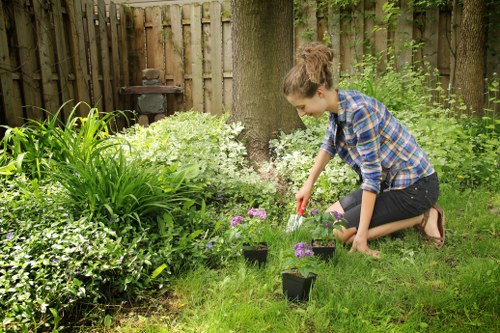 Another important aspect of garden transformation is cohesion. A successful outdoor space usually has a repeated set of materials, colours, and shapes that tie everything together. When the path, planter edges, seating area, and planting choices all relate to one another, the space feels intentional. Woolwich landscaping works best when the garden reads as a whole rather than as a collection of disconnected parts.
Even practical elements can be made attractive with the right design approach. Storage areas, bins, utility corners, and side returns do not have to be neglected. With thoughtful screening, planting, paving, and layout, they can become discreet and tidy parts of the overall scheme. This attention to detail is one of the marks of high-quality landscaping Woolwich work, because it recognises that every part of a property contributes to the experience of living there.
In sloped gardens, changes in level can become a design advantage. Steps, retaining walls, terraces, and tiered planting can all be used to create interest and usable areas. Rather than viewing a slope as a problem, skilled landscaping Woolwich turns it into an opportunity for structure and character. Level changes can also improve drainage and help break a large or awkward plot into more manageable sections.
Incorporating seating is another simple but effective way to improve a garden. A bench under a tree, a dining set on a patio, or a quiet corner chair can encourage more time outdoors. The placement of seating should reflect how the space is used and where the best views or shelter are found. In many Woolwich landscaping designs, seating becomes a focal point that helps define the purpose of the garden.
As outdoor living becomes more important, the garden is increasingly seen as an extension of the interior. This means the transition between house and garden should feel smooth. Wide doors, matching tones, connected materials, and level thresholds can all help. A thoughtful landscaping Woolwich plan can blur the line between inside and outside in a way that feels natural, practical, and visually appealing.
When choosing plants, it is helpful to think about the final size, growth habit, and year-round appearance of each species. Many gardens become difficult when plants outgrow their space or are chosen only for short-term impact. Reliable Woolwich landscaping focuses on mature proportions, spacing, and compatibility. This helps ensure the garden remains balanced as it develops over time rather than becoming overcrowded or uneven.
The use of repetition can make even simple gardens feel sophisticated. Repeating a plant species, a paving material, or a planter shape creates rhythm and calm. This is particularly effective in smaller spaces where too many different elements can feel busy. In landscaping Woolwich, repetition can be used to visually connect different zones and strengthen the overall design language of the garden.
Garden design also benefits from flexibility. A family may want a lawn now, but later prefer more planting or a larger terrace. A homeowner may need storage today and a seating zone in future. Good landscaping Woolwich considers how life might change over time and leaves room for adaptation. This makes the garden more resilient, more practical, and more valuable in the long term.
Finally, a well-designed garden should feel personal. It should reflect the way the space is used and the atmosphere the owner wants to create. Some people prefer calm and order, others want richness and colour, and many want a mix of both. The most successful landscaping Woolwich projects are those that respect individual taste while still applying sound design principles. Personal style, when balanced with practical planning, produces outdoor spaces that feel truly satisfying.
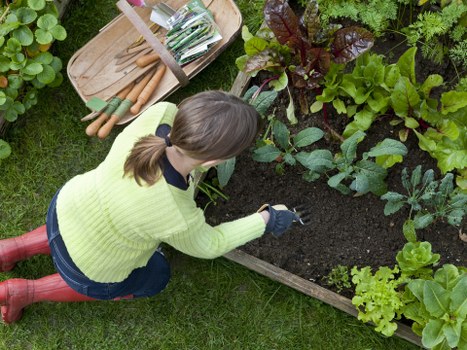 Landscaping Woolwich is ultimately about shaping outdoor space so that it becomes more beautiful, more usable, and more enjoyable throughout the year. From front gardens that enhance first impressions to back gardens that support family life and relaxation, the right combination of structure, planting, materials, and layout can make an enormous difference. Whether the goal is a contemporary retreat, a classic garden, or a low-maintenance outdoor setting, Woolwich landscaping offers countless ways to improve the property and the everyday experience of living there. With care, creativity, and attention to detail, even ordinary outdoor areas can become exceptional places to spend time.